
How we help
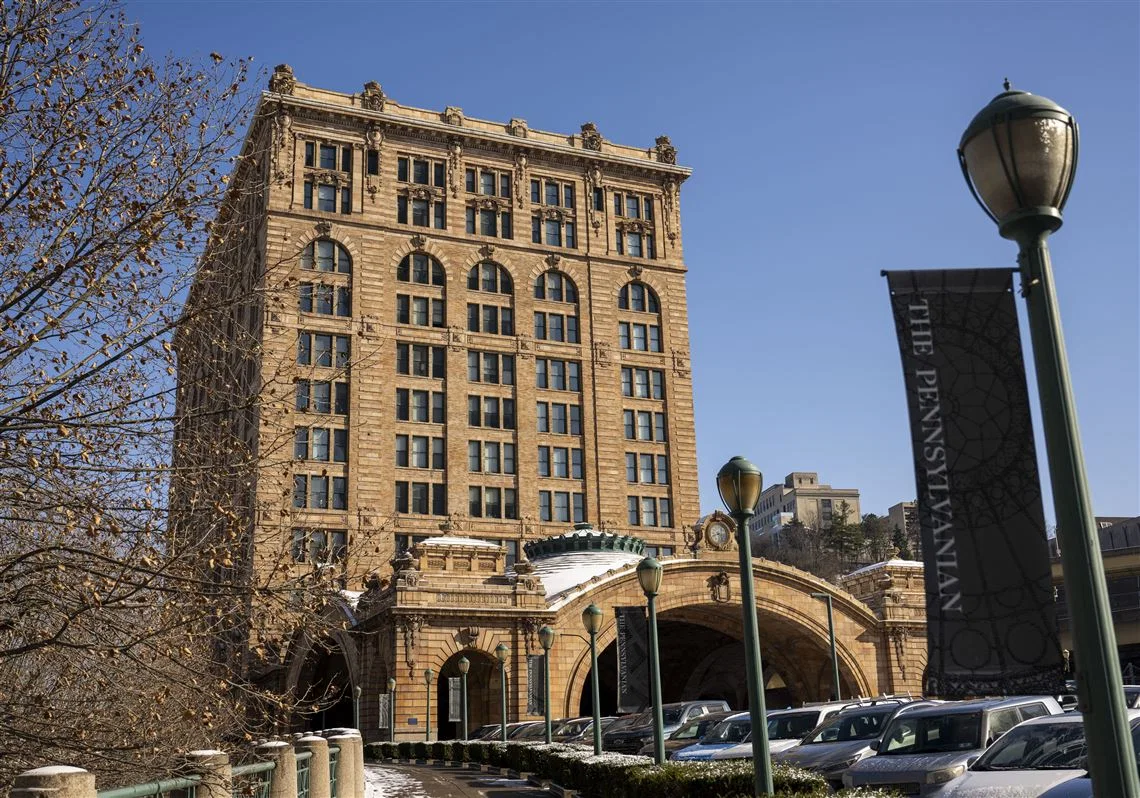
The Pennsylvanian is not a neutral room. It carries historic weight and visual drama, which means the event should be structured to match that level of formality and scale.
In Pittsburgh, the pennsylvanian works best when the host treats the building like a landmark experience rather than a simple downtown rental.
Event support at The Pennsylvanian
- Move-in, utilities, labor, graphics, AV, and strike planned around The Pennsylvanian.
- Show-service paperwork and venue communication handled early enough to prevent last-minute corrections.
- Install teams, supervisors, and vendors aligned to the room, dock, and event schedule.
- A cleaner handoff from planning to opening day to post-show closeout.
About the Pennsylvanian
The venue offers over 10,000 square feet of event space suitable for galas, receptions, corporate events, and branded programs.
The property is located near the David L. Lawrence Convention Center and the downtown hotel cluster.
On any the pennsylvanian project, the first step is pulling the current exhibitor manual and confirming the service-order deadlines, dock windows, and any rigging approval path. Design decisions come after those are locked.
The Pittsburgh event landscape
Pittsburgh is a working trade show market.
VisitPITTSBURGH said Anthrocon 2024 sold 10,349 room nights in its initial housing block in 12 minutes and then added 1,894 more rooms, showing the city can absorb very large convention demand spikes — a useful reference point when sizing a project.
What makes our work different
Trade Show Services of Pittsburgh keeps the work local.
Consistency across show dates is the other reason to hire local. The same crew that built the booth runs the install, knows the pack-out, and catches the small things — a missing hardware pack, a graphic edge that needs reseating, a storage crate routed to the wrong bay — without needing the client team to intervene.
Venue rules and show-floor coordination
Pittsburgh floor operations follow the venue's own manual.
David L.
Practical planning rules for the pennsylvanian in Pittsburgh: Pittsburgh labor expectations depend on the venue, the organizer, and the current event manual rather than on one blanket citywide rule.
What's included in the project scope
Projects at the pennsylvanian typically include design work, fabrication or rental sourcing, graphics production, show-service paperwork, freight, install, show-hours coverage, and strike.
a bad one has many, because they weren't.
Those run alongside the project rather than inside it.
How the project comes together
After the brief, the work turns to the building itself.
Install days are owned by a single on-site lead.
Throughout show hours, the on-site lead stays present.
Strike and closeout happen the same day.
Pricing and scheduling
Every project has the same cost drivers.
Lead time drives everything. Custom: 16 to 20 weeks. Rental: 8 to 12.
How project performance gets measured
Most programs in Pittsburgh are evaluated on lead-capture volume, meetings booked on the floor, and qualified-pipeline attribution after the show. The booth is a means to those numbers — it is not the number itself.
A week after the show, the booth's actual floor performance is already clearer than any pre-show projection. We document those observations alongside the technical closeout so the next cycle inherits real signal, not nostalgia.
Frequently asked questions
How does labor work in Pittsburgh?
It runs venue by venue. David L.
How much lead time is ideal?
Custom builds run best with 16 to 20 weeks of lead time. Rentals take 8 to 12 weeks.
What information kicks off a project?
The show, the venue, the booth number, the dates, and a target budget range. From those, an initial scope and a realistic cost come back within a few days.
Who runs the booth on-site?
One named show-site lead runs the install, the show hours, and the strike. That person carries the floor plan and the punch list from crates to doors and reports up once a day.
Can the booth travel to the next city on our calendar?
Same structure, swappable graphics, standard crates.
What happens if something breaks during show hours?
The on-site lead handles it.