
How we help
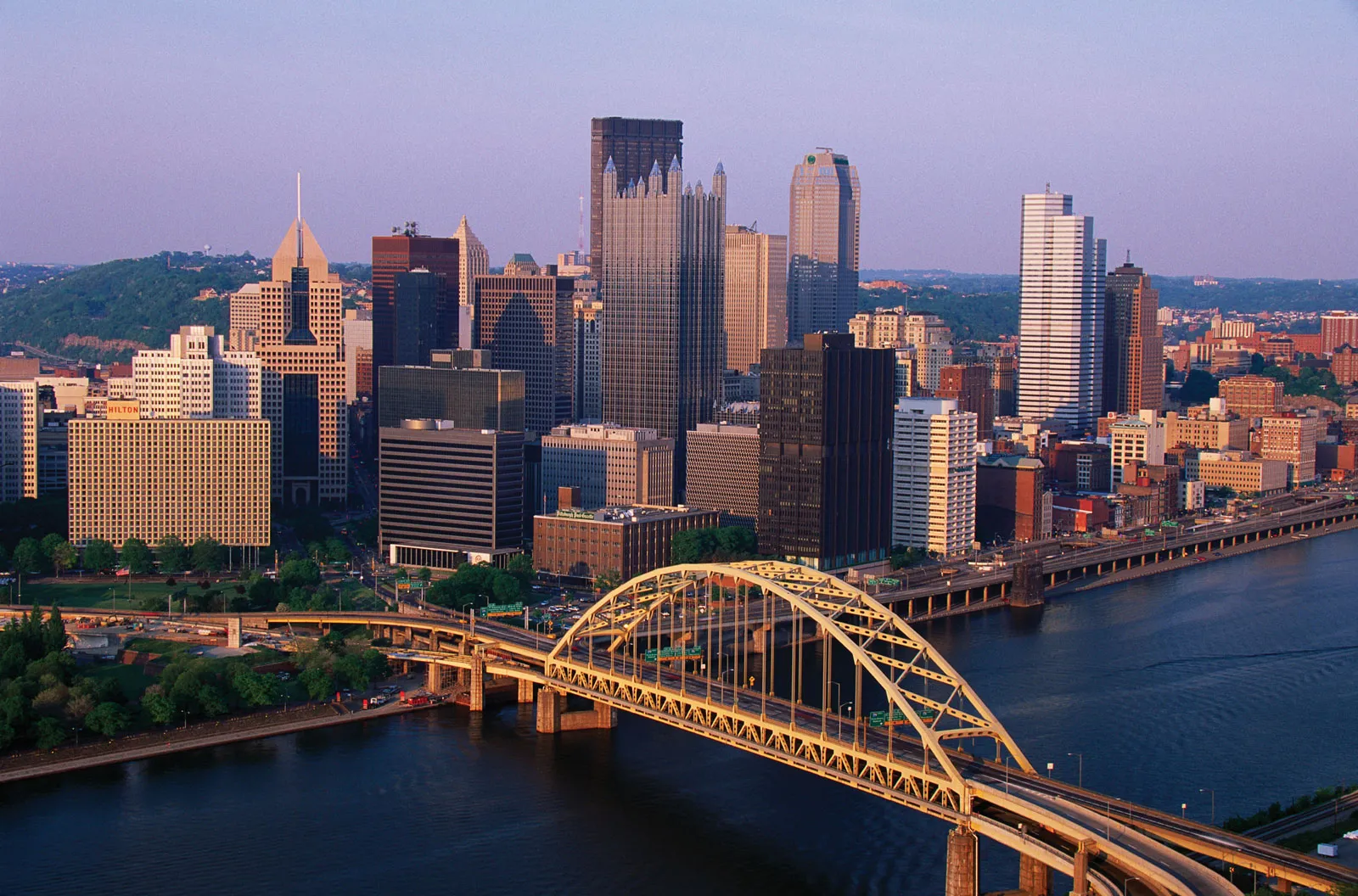
Pittsburgh is the anchor-city service area, so the plan speaks to the convention core, the hotel stack, and the way one program can spill across several downtown blocks without losing control.
The point is not to describe the city in broad strokes. The point is to show why a citywide trade-show brief still needs downtown discipline, DLCC timing, and a plan that respects how the market actually moves.
Trade show support in Pittsburgh, PA
- Venue selection, travel timing, and freight routing around Pittsburgh, PA.
- Booth design, rental, graphics, AV, labor, and closeout coordinated before show week.
- On-site support that keeps arrivals, installation, show hours, and strike on the same schedule.
- A practical plan for exhibitors that need Pittsburgh-area coverage without losing local detail.
How Pittsburgh works for events
Pittsburgh is one of the Pittsburgh area submarkets we cover for trade show work.
For event teams, Pittsburgh works as part of the Core market area.
Trade show work in Pittsburgh shares most of its structure with larger Pittsburgh projects. Where it diverges is in the nearby venue mix, freight routing, and local hotel block availability.
The Pittsburgh event landscape
Pittsburgh is a working trade show market.
Scope gets tighter; standards don't.
Pittsburgh venues we support
the plan has to match the specific building.
Pittsburgh Airport Marriott is one of the anchors. 317 guest rooms and over 12,000 square feet of flexible event space.
The property is five miles from the airport, offers complimentary parking, and provides airport/local transportation within a three-mile radius.
DoubleTree by Hilton Pittsburgh Cranberry: the hotel has over 20,000 square feet of flexible meeting space and a ballroom accommodating up to 900 guests.
Courtyard by Marriott Pittsburgh University Center.
Venue rules and show-floor coordination
Pittsburgh floor operations follow the venue's own manual.
Practical planning rules for Pittsburgh, PA in Pittsburgh: Pittsburgh labor expectations depend on the venue, the organizer, and the current event manual rather than on one blanket citywide rule.
Line items on a typical project
Projects in Pittsburgh, PA typically include design work, fabrication or rental sourcing, graphics production, show-service paperwork, freight, install, show-hours coverage, and strike.
The handoffs on a project in the pa matter almost as much as the line items. Design has to hand a build-ready drawing to fabrication. Every handoff is a place quality can drop.
Those run alongside the project rather than inside it.
How the project comes together
Venue coordination comes next.
Install days are owned by a single on-site lead.
During show hours, the booth is a live operating space.
That document drives the next booking.
Pricing and scheduling
Cost scales with how it is built, how big it is, what the venue charges for its own services, what the graphics look like, how far the crates travel, and how many days the team stays on-site.
Lead time drives everything. Custom: 16 to 20 weeks. Rental: 8 to 12.
How project performance gets measured
Trade show ROI is measured at the lead and pipeline level.
A week after the show, the booth's actual floor performance is already clearer than any pre-show projection. We document those observations alongside the technical closeout so the next cycle inherits real signal, not nostalgia.
What makes our work different
Trade Show Services of Pittsburgh keeps the work local.
The difference from a national vendor shows up at the dock.
Frequently asked questions
Do you work at DoubleTree by Hilton Pittsburgh - Green Tree?
Yes.
How does labor work in Pittsburgh?
It runs venue by venue. David L.
How much lead time is ideal?
Custom builds run best with 16 to 20 weeks of lead time. Rentals take 8 to 12 weeks.
What information kicks off a project?
The show, the venue, the booth number, the dates, and a target budget range. From those, an initial scope and a realistic cost come back within a few days.
Who runs the booth on-site?
One named show-site lead runs the install, the show hours, and the strike. That person carries the floor plan and the punch list from crates to doors and reports up once a day.
Can the booth travel to the next city on our calendar?
Same structure, swappable graphics, standard crates.
What happens if something breaks during show hours?
The on-site lead handles it.