
How we help
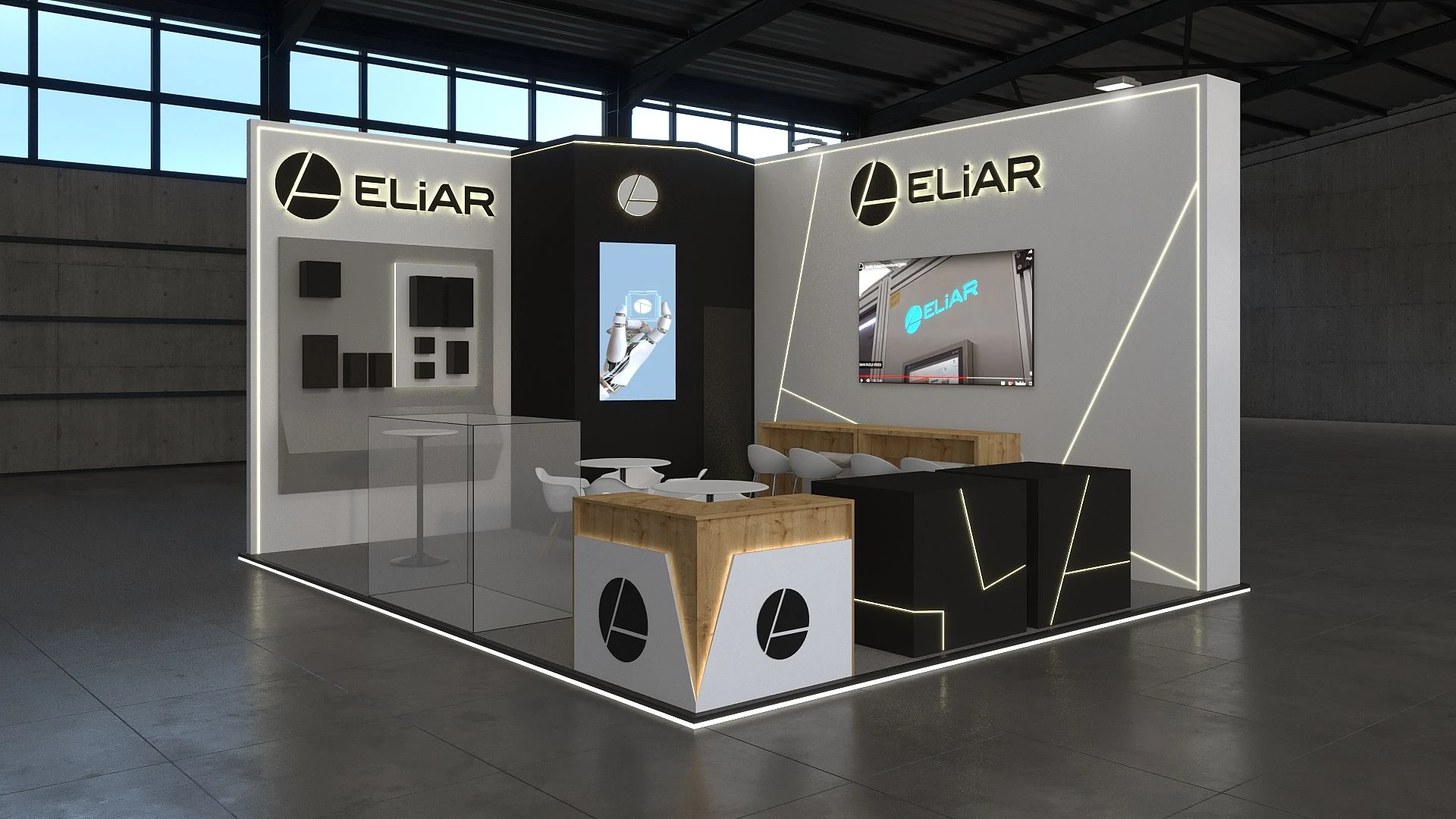
Renderings matter because they settle sightlines, message hierarchy, and booth behavior before expensive fabrication decisions get locked.
In Pittsburgh, Trade Show Design and Renderings works best when the visuals explain traffic flow, meeting space, demo positions, and how the footprint will actually feel once the hall is live.
Trade Show Design and Renderings support
- Trade Show Design and Renderings scoped around the venue, dates, booth footprint, and business goal.
- Design, production, vendors, labor, freight, and show-site supervision kept in one schedule.
- Clear client communication before approvals, ordering, installation, and strike.
- A polished floor result without forcing your team to manage every vendor handoff.
Pittsburgh trade show market
Exhibiting in Pittsburgh means working inside an established event ecosystem. The venues, the labor model, and the local production capacity all behave in predictable patterns.
The attendees vary by show — some weeks draw regional operators, others pull international buyers in for a single conference — but the floor mechanics stay consistent. Every booth needs graphics production, show services, labor calls, and a plan for the specific building it's landing in.
VisitPITTSBURGH emphasizes that many downtown hotels are blocks from the convention center and that Pittsburgh’s core is compact, walkable, and served by free T service in the Golden Triangle and North Shore.
Education and research is one of the sectors that shapes the Pittsburgh calendar. With more than 30 colleges and universities and globally visible CMU and Pitt research, the city supports academic meetings, recruiting events, and university-adjacent sponsor programs.
Pittsburgh neighborhoods and event districts
DoubleTree by Hilton Pittsburgh - Green Tree, DoubleTree by Hilton Pittsburgh Cranberry form the Regional Hotel and Conference Support Ring cluster.
Downtown Convention Core — David L. Lawrence Convention Center, Westin Pittsburgh, Omni William Penn Hotel — is a different environment.
Who handles what during the Pittsburgh install window
There is no single labor model for Pittsburgh trade shows. The right approach depends on the specific venue and the show organizer's contracts.
At Regional live event labor, it has supported Pittsburgh’s live entertainment scene and represented stage technicians for more than 125 years.
Pittsburgh labor expectations depend on the venue, the organizer, and the current event manual rather than on one blanket citywide rule.
Where Pittsburgh shows actually happen
Every Pittsburgh show takes place in a specific building with its own rules. The venues below come up most often on our production calendar.
Across the Pittsburgh venue set, what changes between buildings are the labor model, the rigging approval path, the drayage setup, and the published move-in window. The plan has to match the specific building.
Drury Plaza Hotel Pittsburgh Downtown. The hotel is two blocks from the convention center in Downtown Pittsburgh.
The property occupies the former Federal Reserve Bank building and includes 207 guest rooms.
Acrisure Stadium is one of the anchors. Acrisure Stadium is a 68,400-seat NFL stadium on Pittsburgh's North Shore, home to the Pittsburgh Steelers.
PNC Park: pNC Park seats 38,362 for Pittsburgh Pirates games and is located on Pittsburgh's North Shore with views of the downtown skyline and Roberto Clemente Bridge.
What's included in the project scope
What shows up in most budgets: structure, graphics, AV, show-service orders through the venue, labor, freight, supervision days, and closeout. Individual projects layer or remove items based on scope.
a bad one has many, because they weren't.
Multi-show programs add asset management: storage, refurbishment, graphic swaps, and scheduled re-kitting so the booth rolls cleanly from Pittsburgh to the next city on the calendar.
A clean scope definition also calls out what isn't included: show organizer fees, client staff travel, and anything the client already has under contract (lead capture platforms, CRM integrations, promotional giveaways). Those run alongside the project rather than inside it.
From first call to strike
Once scope is clear, the venue work begins.
Production brings the plan into physical form: fabrication, graphics, AV, rentals, and the named lead who will run the floor.
One named show-site lead runs the install.
Closeout is tight: strike, crate, manifest, storage designation, and a written post-show report delivered within a day. That document drives the next booking.
Budget and timeline
Cost scales with how it is built, how big it is, what the venue charges for its own services, what the graphics look like, how far the crates travel, and how many days the team stays on-site.
Rental programs run on 8 to 12.
Outcomes we optimize for
Trade show ROI is measured at the lead and pipeline level. The show-floor execution either protects or undermines those numbers.
The post-show debrief is where the numbers get connected back to the physical booth. Which demo station drew traffic, which meeting area closed more conversations, which graphic zone attracted dwell time — that feedback shapes the next build rather than getting lost.
The advantage of a local Pittsburgh team
Local fabrication means real-time problem-solving. A graphic that needs to be reprinted at 6 a.m.
Clients who run repeat programs across multiple dates end up paying less per event when the same team handles everything. Less re-briefing, less re-training, less re-checking — the operational overhead drops year over year.
Frequently asked questions
Do you work at Omni William Penn Hotel?
Yes. The hotel has 597 guest rooms, 38 suites, and over 52,000 square feet of flexible event space across 38 meeting rooms.
How does labor work in Pittsburgh?
It runs venue by venue.
How much lead time is ideal?
Custom builds run best with 16 to 20 weeks of lead time. Rentals take 8 to 12 weeks.
What information kicks off a project?
The show, the venue, the booth number, the dates, and a target budget range. From those, an initial scope and a realistic cost come back within a few days.
Who runs the booth on-site?
One named show-site lead runs the install, the show hours, and the strike. That person carries the floor plan and the punch list from crates to doors and reports up once a day.
Can the booth travel to the next city on our calendar?
Same structure, swappable graphics, standard crates.
What happens if something breaks during show hours?
The on-site lead handles it.