How we help
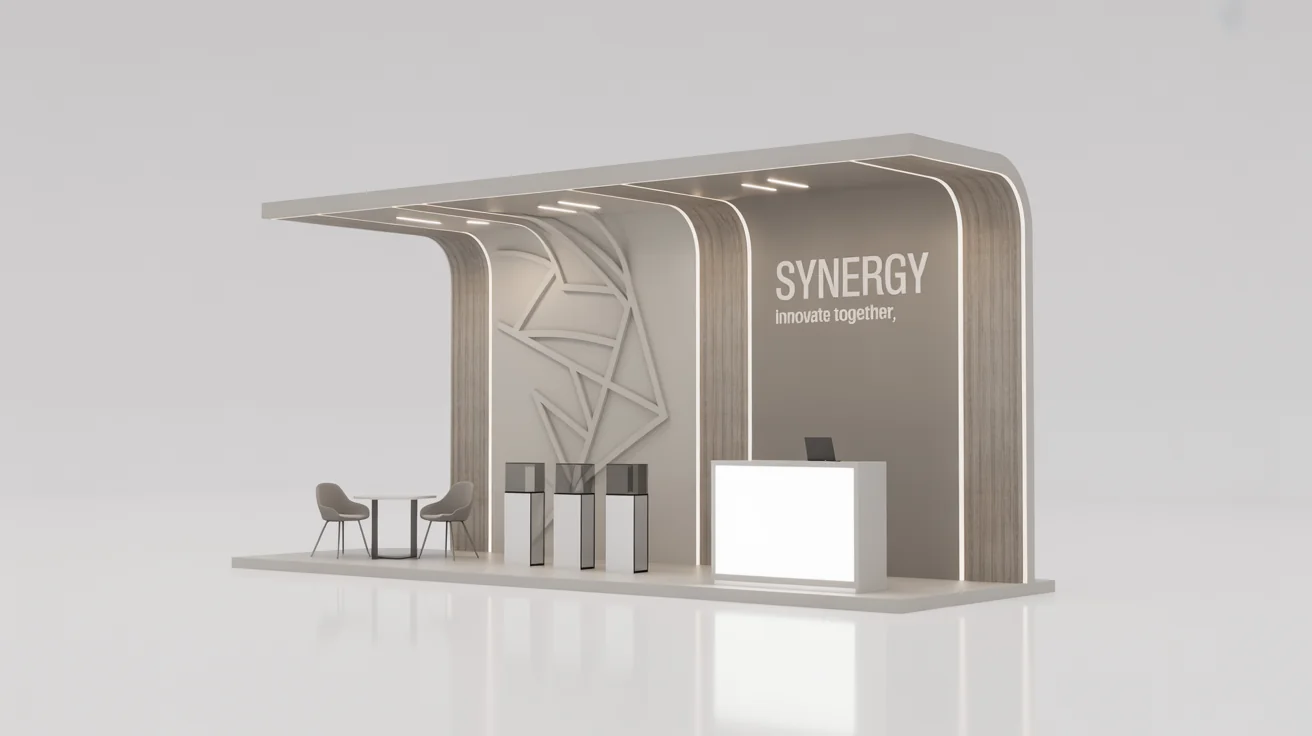
Booth design is where the team decides what the audience should notice first, where meetings happen, and how much of the footprint is devoted to theater versus actual conversation.
In Pittsburgh, Trade Show Booth Design works best when the layout, message ladder, and service assumptions are drawn together before rendering or fabrication starts chasing details.
Trade Show Booth Design support
- Trade Show Booth Design scoped around the venue, dates, booth footprint, and business goal.
- Design, production, vendors, labor, freight, and show-site supervision kept in one schedule.
- Clear client communication before approvals, ordering, installation, and strike.
- A polished floor result without forcing your team to manage every vendor handoff.
The Pittsburgh event landscape
Pittsburgh runs one of the busiest trade show calendars in the region. Convention weeks stack close together, hotel blocks compete for the same nights, and the venues themselves shape what is possible on the floor.
Exhibitors pulling back on budget in Pittsburgh still have to show up in the same booth neighborhoods as their competitors. Scope gets tighter; standards don't. The booths that land well are the ones built on a specific plan, not a generic template.
VisitPITTSBURGH said Anthrocon 2024 sold 10,349 room nights in its initial housing block in 12 minutes and then added 1,894 more rooms, showing the city can absorb very large convention demand spikes.
The buildings that host Pittsburgh events
Different Pittsburgh venues mean different floor plans, different labor rules, and different freight realities.
Across the Pittsburgh venue set, what changes between buildings are the labor model, the rigging approval path, the drayage setup, and the published move-in window. The plan has to match the specific building.
Acrisure Stadium is one of the anchors. Acrisure Stadium is a 68,400-seat NFL stadium on Pittsburgh's North Shore, home to the Pittsburgh Steelers.
PNC Park. PNC Park seats 38,362 for Pittsburgh Pirates games and is located on Pittsburgh's North Shore with views of the downtown skyline and Roberto Clemente Bridge.
DoubleTree by Hilton Hotel & Suites Pittsburgh Downtown: the hotel is located on One Bigelow Square in central Downtown Pittsburgh near the convention center, PPG Paints Arena, and the Cultural District.
How Pittsburgh floor operations work
Labor in Pittsburgh runs venue-by-venue, not citywide. Each building publishes its own rules for who handles what on the floor.
Practically, that means pulling the current exhibitor manual for every show and confirming a handful of items in writing: which tasks the venue's house crews cover, which tasks the show's general contractor covers, and what an exhibitor or their appointed contractor can handle without escalation.
Regional live event labor — It has supported Pittsburgh’s live entertainment scene and represented stage technicians for more than 125 years.
Practical planning rules for the design in Pittsburgh: the region has organized stagehand and logistics labor presence, but public. Hotel, arena, activation, and convention-center venues in Pittsburgh do not all operate the same way, so execution plans need to follow the specific building.
Pittsburgh neighborhoods and event districts
Courtyard by Marriott Pittsburgh University Center, Petersen Events Center form the Oakland and Research District cluster.
Regional Hotel and Conference Support Ring runs across DoubleTree by Hilton Pittsburgh - Green Tree, DoubleTree by Hilton Pittsburgh Cranberry.
Line items on a typical project
Good execution comes from keeping the team small and the handoffs short. Every extra vendor in the chain adds a communication layer and a place where details get lost.
Out of scope by default are show organizer fees, booth lease costs paid directly to the show, staff travel and per diems, and any custom software or data-capture tooling the client runs on its own stack. Those stay on the client side and plug into the project through coordination, not rebilling.
How a project runs
First step on any project is pinning down the show, the floor plan, the deadlines, and what success actually looks like. Everything downstream hinges on those answers.
Venue coordination comes next. That means pulling the current exhibitor manual, confirming dock and freight windows, submitting rigging approvals where needed, and placing utility orders against the building's published specs.
With venue details locked, production runs.
The install phase has one owner on the floor. That person handles the labor calls, the graphics questions, the sequence adjustments, and the daily update.
During show hours, the booth is a live operating space. The on-site team handles repairs, sponsor requests, lead-capture issues, and any venue questions so the client's staff can focus on conversations.
Pricing and scheduling
Pricing is driven by real line items: fabrication or rental, graphics, show services, labor, freight, and travel where it applies. Round numbers without that breakdown usually hide something.
A clean schedule starts 4 to 5 months out for custom work and 2 to 3 months for rentals. Shorter lead times are workable but push rush premiums and limit material choices.
What a successful project looks like
A successful project in Pittsburgh looks like a booth that lands on time, passes venue inspection on the first walk, runs without incident through show hours, and ships out the same day it strikes.
Client teams sometimes want the booth to carry the pipeline on its own, but the best-performing programs treat the booth as a platform and put real operators on it. On-floor conversation discipline moves the KPIs more than any scenic decision.
What makes our work different
Trade Show Services of Pittsburgh operates out of Pittsburgh with a full in-house production shop. Custom fabrication, rental inventory, graphics production, and show-site labor live under one roof.
The difference from a national vendor shows up at the dock. A local team with an in-house shop can solve most install-day problems in the time it takes to drive back to the building with the right part.
Frequently asked questions
Do you work at Petersen Events Center?
Yes. VisitPITTSBURGH describes the venue as Pittsburgh’s most versatile arena and conference center, accommodating five to 15,000 for meetings and events.
How does labor work in Pittsburgh?
It runs venue by venue. Monroeville Convention Center: Monroeville’s published published venue materials say staff can help set pipe and drape, signage, booth furnishings, AV gear, catering, security, and space layouts, and that outside food and beverages are generally not permitted without review.
How much lead time is ideal?
Custom builds run best with 16 to 20 weeks of lead time. Rentals take 8 to 12 weeks.
What information kicks off a project?
The show, the venue, the booth number, the dates, and a target budget range. From those, an initial scope and a realistic cost come back within a few days.
Who runs the booth on-site?
One named show-site lead runs the install, the show hours, and the strike. That person carries the floor plan and the punch list from crates to doors and reports up once a day.
Can the booth travel to the next city on our calendar?
Same structure, swappable graphics, standard crates.
What happens if something breaks during show hours?
The on-site lead handles it.