How we help
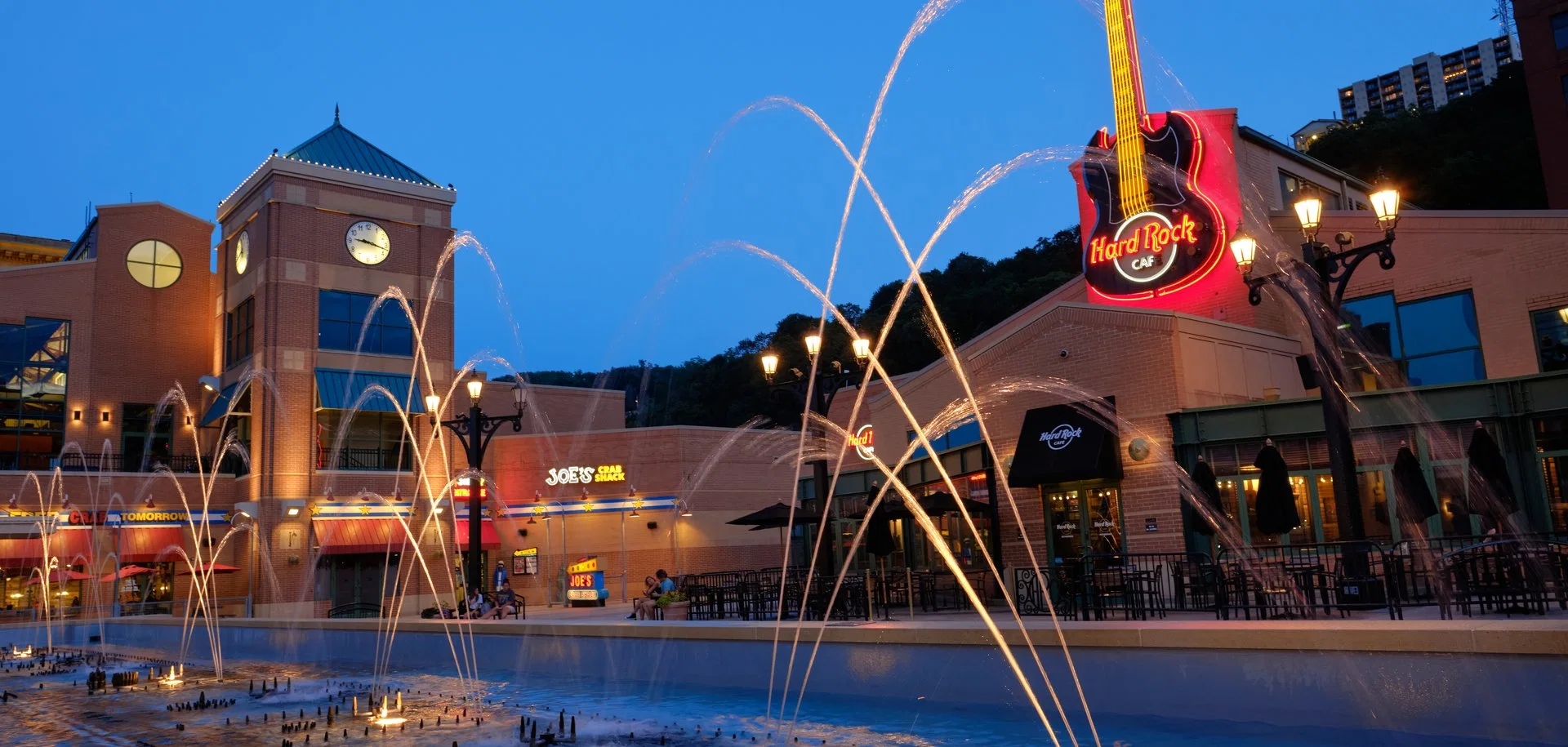
Station Square is the riverfront entertainment and hotel service area, formed by the skyline, the riverwalk, and the kind of evening traffic that follows a show or dinner rather than a warehouse move.
It reads like a nightlife and visitor district with a view, not like a neighbor service area borrowing downtown language.
Trade show support in Station Square, Pittsburgh, PA
- Venue selection, travel timing, and freight routing around Station Square, Pittsburgh, PA.
- Booth design, rental, graphics, AV, labor, and closeout coordinated before show week.
- On-site support that keeps arrivals, installation, show hours, and strike on the same schedule.
- A practical plan for exhibitors that need Pittsburgh-area coverage without losing local detail.
The Pittsburgh event landscape
Pittsburgh is a working trade show market.
Scope gets tighter; standards don't.
Pittsburgh venues we support
the plan has to match the specific building.
DoubleTree by Hilton Hotel & Suites Pittsburgh Downtown is one of the anchors. The hotel is located on One Bigelow Square in central Downtown Pittsburgh near the convention center, PPG Paints Arena, and the Cultural District.
The property offers ballroom, breakout, and pre-function space suitable for convention overflow and standalone conference events.
Carnegie Science Center: the center is located on Pittsburgh's North Shore along the Ohio River, adjacent to Acrisure Stadium and the sports district.
Venue rules and show-floor coordination
Pittsburgh floor operations follow the venue's own manual.
David L.
Practical planning rules for Station Square, Pittsburgh, PA in Pittsburgh: Pittsburgh labor expectations depend on the venue, the organizer, and the current event manual rather than on one blanket citywide rule.
Line items on a typical project
For programs that repeat, asset management becomes part of the project — storage, graphic rotation, refurbishment, and re-crating are planned rather than one-off.
Out of scope by default are show organizer fees, booth lease costs paid directly to the show, staff travel and per diems, and any custom software or data-capture tooling the client runs on its own stack. Those stay on the client side and plug into the project through coordination, not rebilling.
How the project comes together
Once scope is clear, the venue work begins.
One named show-site lead runs the install.
That document drives the next booking.
Pricing and scheduling
Cost scales with how it is built, how big it is, what the venue charges for its own services, what the graphics look like, how far the crates travel, and how many days the team stays on-site.
Rental programs run on 8 to 12.
How project performance gets measured
Trade show ROI is measured at the lead and pipeline level.
The post-show debrief is where the numbers get connected back to the physical booth. Which demo station drew traffic, which meeting area closed more conversations, which graphic zone attracted dwell time — that feedback shapes the next build rather than getting lost.
What makes our work different
Local fabrication means real-time problem-solving. A graphic that needs to be reprinted at 6 a.m.
Clients who run repeat programs across multiple dates end up paying less per event when the same team handles everything. Less re-briefing, less re-training, less re-checking — the operational overhead drops year over year.
How Station Square works for events
Station Square is one of the Pittsburgh area submarkets we cover for trade show work.
For event teams, Station Square works as part of the Urban corridor area.
Frequently asked questions
Do you work at DoubleTree by Hilton Pittsburgh - Green Tree?
Yes.
How does labor work in Pittsburgh?
It runs venue by venue. David L.
How much lead time is ideal?
Custom builds run best with 16 to 20 weeks of lead time. Rentals take 8 to 12 weeks.
What information kicks off a project?
The show, the venue, the booth number, the dates, and a target budget range. From those, an initial scope and a realistic cost come back within a few days.
Who runs the booth on-site?
One named show-site lead runs the install, the show hours, and the strike. That person carries the floor plan and the punch list from crates to doors and reports up once a day.
Can the booth travel to the next city on our calendar?
Same structure, swappable graphics, standard crates.
What happens if something breaks during show hours?
The on-site lead handles it.