
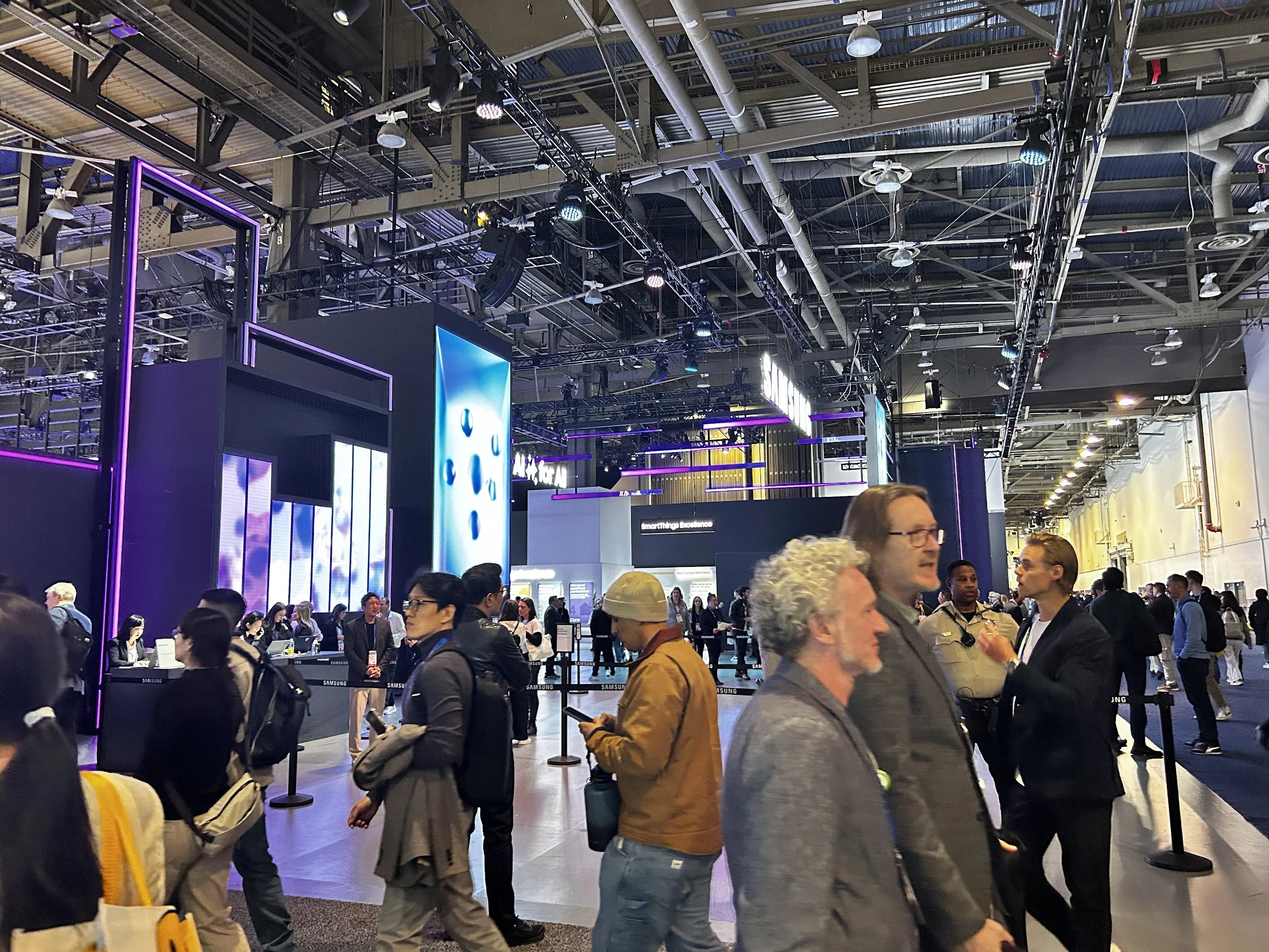
How we help
Registration and Arrival Environments works best when it is scoped as part of a complete show operation. In Pittsburgh and the surrounding corridor, buyers have to balance venue rules, labor timing, freight windows, graphics production, technical planning, and staff readiness at the same time. A strong plan keeps those decisions connected instead of letting them drift between departments.
Acrisure Stadium and Coraopolis, PA are useful reference points because they show how quickly event conditions can change across the market. One project may move through downtown, the North Shore, a conference hotel, and a suburban expo property within a few days. The environments has to support that pace without weakening finish quality, schedule control, or the exhibitor's ability to meet people effectively once the room opens.
The reason buyers ask for the environments is rarely cosmetic. They need a booth strategy that supports meetings and demos, a labor plan that respects venue requirements, and a production team that can manage the work from advance deadlines through dismantle. Trade Show Services of Pittsburgh treats that scope as a practical decision with real consequences for timing, cost, and results.
Registration and Arrival Environments support
- Registration and Arrival Environments scoped around the venue, dates, booth footprint, and business goal.
- Design, production, vendors, labor, freight, and show-site supervision kept in one schedule.
- Clear client communication before approvals, ordering, installation, and strike.
- A polished floor result without forcing your team to manage every vendor handoff.
Pittsburgh as a trade show city
Scope gets tighter; standards don't.
VisitPITTSBURGH’s Airport Corridor Destination District lists about 200,000 square feet of meeting space and identifies UPMC Events Center as the district’s largest venue at 161,000 square feet — a useful reference point when sizing a project.
Pittsburgh convention venues and meeting properties
a few Pittsburgh venues carry most of the calendar.
the plan has to match the specific building.
Drury Plaza Hotel Pittsburgh Downtown. The hotel is two blocks from the convention center in Downtown Pittsburgh.
The property occupies the former Federal Reserve Bank building and includes 207 guest rooms.
Acrisure Stadium is one of the anchors.
Why Trade Show Services of Pittsburgh
Local fabrication means real-time problem-solving. A graphic that needs to be reprinted at 6 a.m.
Clients who run repeat programs across multiple dates end up paying less per event when the same team handles everything. Less re-briefing, less re-training, less re-checking — the operational overhead drops year over year.
Pittsburgh labor and venue services
David L.
Major Pittsburgh venues may use designated providers for utilities, internet, rigging, food service, security, or other support service categories, so advance coordination is part of the job. The region has organized stagehand and logistics labor presence, but public.
The main Pittsburgh event areas
DoubleTree by Hilton Pittsburgh - Green Tree, DoubleTree by Hilton Pittsburgh Cranberry form the Regional Hotel and Conference Support Ring cluster. Adds suburban breakout options for mid-size conferences, trainings, and overflow room blocks north and west of the city.
Downtown Convention Core — David L.
Line items on a typical project
The environments projects typically include design work, fabrication or rental sourcing, graphics production, show-service paperwork, freight, install, show-hours coverage, and strike.
Individual projects layer or remove items based on scope.
The process from start to finish
Once scope is clear, the venue work begins.
One named show-site lead runs the install.
That document drives the next booking.
Cost and lead time
Cost scales with how it is built, how big it is, what the venue charges for its own services, what the graphics look like, how far the crates travel, and how many days the team stays on-site.
Rental programs run on 8 to 12.
Outcomes we optimize for
Trade show ROI is measured at the lead and pipeline level.
The post-show debrief is where the numbers get connected back to the physical booth. Which demo station drew traffic, which meeting area closed more conversations, which graphic zone attracted dwell time — that feedback shapes the next build rather than getting lost.
Frequently asked questions
Do you work at UPMC Events Center at Robert Morris University?
Yes. VisitPITTSBURGH calls it the premier venue in Pittsburgh’s airport corridor.
How does labor work in Pittsburgh?
It runs venue by venue.
How much lead time is ideal?
Custom builds run best with 16 to 20 weeks of lead time. Rentals take 8 to 12 weeks.
What information kicks off a project?
The show, the venue, the booth number, the dates, and a target budget range. From those, an initial scope and a realistic cost come back within a few days.
Who runs the booth on-site?
One named show-site lead runs the install, the show hours, and the strike. That person carries the floor plan and the punch list from crates to doors and reports up once a day.
Can the booth travel to the next city on our calendar?
Same structure, swappable graphics, standard crates.
What happens if something breaks during show hours?
The on-site lead handles it.