
How we help
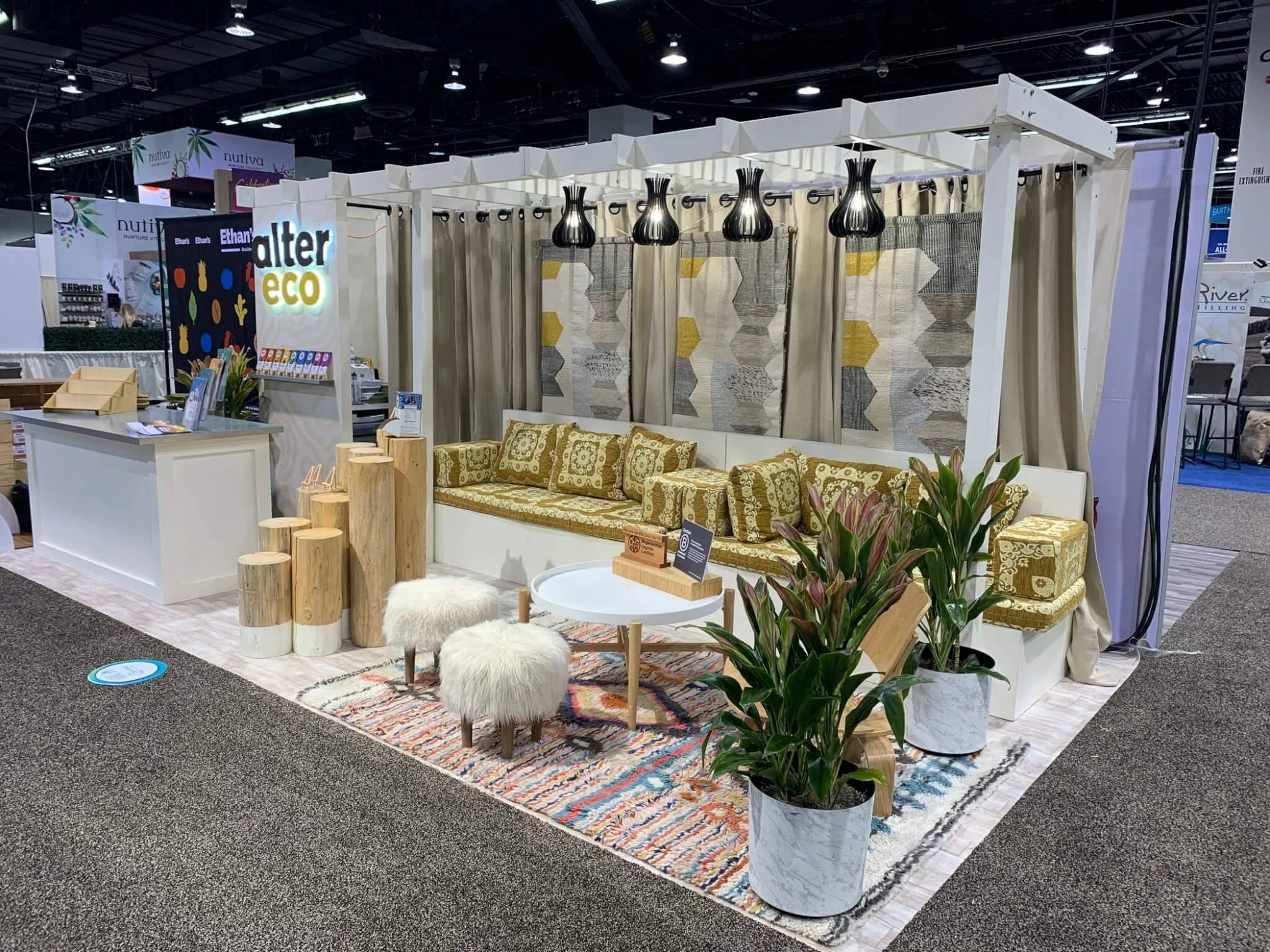
Modular systems are at their best when the structure can move, resize, and refresh without feeling like a temporary compromise.
In Pittsburgh, Modular Exhibit Systems should explain how the frame, connectors, and branded surfaces work across more than one venue instead of pretending every date has the same footprint.
Modular Exhibit Systems support
- Modular Exhibit Systems scoped around the venue, dates, booth footprint, and business goal.
- Design, production, vendors, labor, freight, and show-site supervision kept in one schedule.
- Clear client communication before approvals, ordering, installation, and strike.
- A polished floor result without forcing your team to manage every vendor handoff.
Pittsburgh as a trade show city
Trade shows in Pittsburgh move fast. Major venues book out months in advance, freight windows run tight, and the exhibitors who win their weeks are the ones who arrive with a plan already in hand.
Education and research is one of the sectors that shapes the Pittsburgh calendar. With more than 30 colleges and universities and globally visible CMU and Pitt research, the city supports academic meetings, recruiting events, and university-adjacent sponsor programs.
Where Pittsburgh shows cluster
The Eastern Suburban Convention Lane area runs through Monroeville Convention Center.
Oakland and Research District — Courtyard by Marriott Pittsburgh University Center, Petersen Events Center — is a different environment.
Who handles what during the Pittsburgh install window
There is no single labor model for Pittsburgh trade shows.
Major Pittsburgh venues may use designated providers for utilities, internet, rigging, food service, security, or other support service categories, so advance coordination is part of the job. The region has organized stagehand and logistics labor presence, but public.
Where Pittsburgh shows actually happen
The right building depends on the show: a consumer expo wants open aisles and broad traffic flow; a corporate conference wants controlled breakout space; a brand activation wants a venue that can carry scenic and production without fighting the architecture.
Embassy Suites by Hilton Pittsburgh Downtown. The hotel is located near the David L. Lawrence Convention Center and provides suite-style lodging for conference attendees.
The property offers ballroom and breakout space suitable for convention overflow and mid-size programs.
David L. Lawrence Convention Center: 1.5 million square feet of building size, 313,400 square feet of total exhibit space, 236,900 square feet of column-free exhibit space, 53 meeting rooms, and 77,952 square feet of meeting-room space.
Monroeville Convention Center is one of the anchors.
What's included in the project scope
The systems projects typically include design work, fabrication or rental sourcing, graphics production, show-service paperwork, freight, install, show-hours coverage, and strike.
Individual projects layer or remove items based on scope.
Scope boundary is as important as scope inclusion.
From first call to strike
Every project begins the same way. The venue, the show dates, the footprint, and the target outcome go on the table first. From those four inputs, a real plan can be built.
After the brief, the work turns to the building itself.
Production covers fabrication, graphics, AV spec, rentals, and crew chief assignment. It is the longest phase of most projects and the one where timelines are either protected or lost.
Install days are owned by a single on-site lead. That person carries the plan, works the punch list in real time, and reports up once a day with real status.
Throughout show hours, the on-site lead stays present.
Strike and closeout happen the same day. Storage labels, outbound manifests, vendor performance notes, and a written debrief go out within 24 hours of doors closing.
Cost and lead time
Every project has the same cost drivers.
Six variables drive the cost: custom versus rental, booth footprint and complexity, venue-specific labor and rigging fees, graphics scope and substrate, freight distance and timing, and the number of on-site supervision days.
Lead time drives everything. Custom: 16 to 20 weeks. Rental: 8 to 12. Under 4 weeks is possible but narrows choices and raises cost.
How project performance gets measured
Most programs in Pittsburgh are evaluated on lead-capture volume, meetings booked on the floor, and qualified-pipeline attribution after the show. The booth is a means to those numbers — it is not the number itself.
A week after the show, the booth's actual floor performance is already clearer than any pre-show projection. We document those observations alongside the technical closeout so the next cycle inherits real signal, not nostalgia.
Why Trade Show Services of Pittsburgh
Trade Show Services of Pittsburgh keeps the work local. Design, build, and install share the same team and the same playbook, which is how quality survives across a show week.
Consistency across show dates is the other reason to hire local. The same crew that built the booth runs the install, knows the pack-out, and catches the small things — a missing hardware pack, a graphic edge that needs reseating, a storage crate routed to the wrong bay — without needing the client team to intervene.
Frequently asked questions
Do you work at PPG Paints Arena?
Yes.
How does labor work in Pittsburgh?
It runs venue by venue. David L.
How much lead time is ideal?
Custom builds run best with 16 to 20 weeks of lead time. Rentals take 8 to 12 weeks.
What information kicks off a project?
The show, the venue, the booth number, the dates, and a target budget range. From those, an initial scope and a realistic cost come back within a few days.
Who runs the booth on-site?
One named show-site lead runs the install, the show hours, and the strike. That person carries the floor plan and the punch list from crates to doors and reports up once a day.
Can the booth travel to the next city on our calendar?
Same structure, swappable graphics, standard crates.
What happens if something breaks during show hours?
The on-site lead handles it.