
How we help
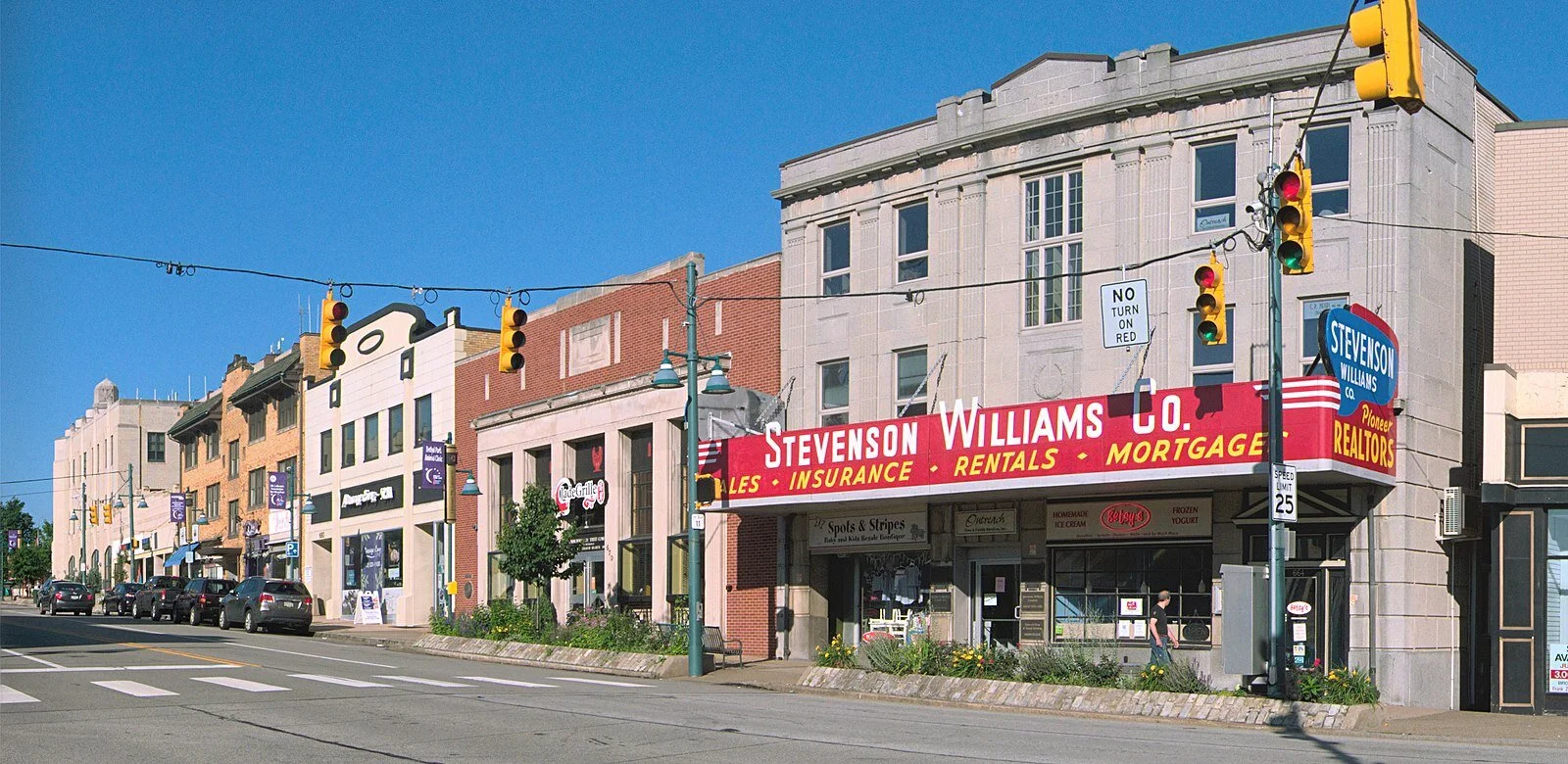
Mt. Lebanon has a borough-center rhythm that feels more like a polished main street than a commuter corridor. The service area needs to capture Washington Road, the neighborhood scale, and the fact that the district behaves best when the day stays compact.
This is not a broad South Hills summary. It is a walkable, civic, and client-meeting note with a different pace from the nearby suburbs.
Trade show support in Mt. Lebanon, PA
- Venue selection, travel timing, and freight routing around Mt. Lebanon, PA.
- Booth design, rental, graphics, AV, labor, and closeout coordinated before show week.
- On-site support that keeps arrivals, installation, show hours, and strike on the same schedule.
- A practical plan for exhibitors that need Pittsburgh-area coverage without losing local detail.
About Mt. Lebanon
We support trade show projects in Mt. Lebanon with the same planning discipline we bring to downtown convention work.
For event teams, Mt. Lebanon works as part of the South Hills area.
Projects in Mt. Lebanon get scoped the same way as work in the Pittsburgh core: venue, dates, footprint, and budget frame first, then the build plan.
Who handles what during the Pittsburgh install window
There is no single labor model for Pittsburgh trade shows.
David L.
Where Pittsburgh shows actually happen
the plan has to match the specific building.
Embassy Suites by Hilton Pittsburgh Downtown: the hotel is located near the David L.
The property offers ballroom and breakout space suitable for convention overflow and mid-size programs.
David L. Lawrence Convention Center.
Monroeville Convention Center is one of the anchors.
Pittsburgh trade show market
Scope gets tighter; standards don't.
Sports, entertainment, and sponsor activations drives a meaningful share of Pittsburgh show demand. The North Shore and adjacent venue mix support branded experiences, private concerts, sponsor events, hospitality programs, and sports-adjacent buildouts that don’t fit a ballroom-first template.
Line items on a typical project
Individual projects layer or remove items based on scope.
Out of scope by default are show organizer fees, booth lease costs paid directly to the show, staff travel and per diems, and any custom software or data-capture tooling the client runs on its own stack. Those stay on the client side and plug into the project through coordination, not rebilling.
From first call to strike
Everything downstream hinges on those answers.
Venue coordination comes next.
With venue details locked, production runs.
The install phase has one owner on the floor.
During show hours, the booth is a live operating space.
Budget and timeline
The levers that matter: build path (custom, rental, or hybrid), footprint, venue service fees, graphics, freight, and supervision days. A 10x10 turnkey rental and a 30x50 custom island with a double deck are entirely different projects.
A clean schedule starts 4 to 5 months out for custom work and 2 to 3 months for rentals. Shorter lead times are workable but push rush premiums and limit material choices.
What a successful project looks like
Exhibitors who measure programs seriously track leads, floor-booked meetings, and post-show pipeline. The build and the install are upstream inputs to those KPIs.
Client teams sometimes want the booth to carry the pipeline on its own, but the best-performing programs treat the booth as a platform and put real operators on it. On-floor conversation discipline moves the KPIs more than any scenic decision.
The advantage of a local Pittsburgh team
The difference from a national vendor shows up at the dock.
Over a multi-show calendar, the compound value of a single team shows up in fewer surprises. The second install is faster than the first, the third is faster than the second, and by the fourth the project runs on memory and documentation rather than first-principles planning.
Frequently asked questions
Do you work at Kimpton Hotel Monaco Pittsburgh?
Yes.
How does labor work in Pittsburgh?
It runs venue by venue. David L.
How much lead time is ideal?
Custom builds run best with 16 to 20 weeks of lead time. Rentals take 8 to 12 weeks.
What information kicks off a project?
The show, the venue, the booth number, the dates, and a target budget range. From those, an initial scope and a realistic cost come back within a few days.
Who runs the booth on-site?
One named show-site lead runs the install, the show hours, and the strike. That person carries the floor plan and the punch list from crates to doors and reports up once a day.
Can the booth travel to the next city on our calendar?
Same structure, swappable graphics, standard crates.
What happens if something breaks during show hours?
The on-site lead handles it.