How we help
Convention Services works best when it is scoped as part of a complete show operation. In Pittsburgh and the surrounding corridor, buyers have to balance venue rules, labor timing, freight windows, graphics production, technical planning, and staff readiness at the same time. A strong plan keeps those decisions connected instead of letting them drift between departments.
The reason buyers ask for the services is rarely cosmetic. They need a booth strategy that supports meetings and demos, a labor plan that respects venue requirements, and a production team that can manage the work from advance deadlines through dismantle. Trade Show Services of Pittsburgh treats that scope as a practical decision with real consequences for timing, cost, and results.
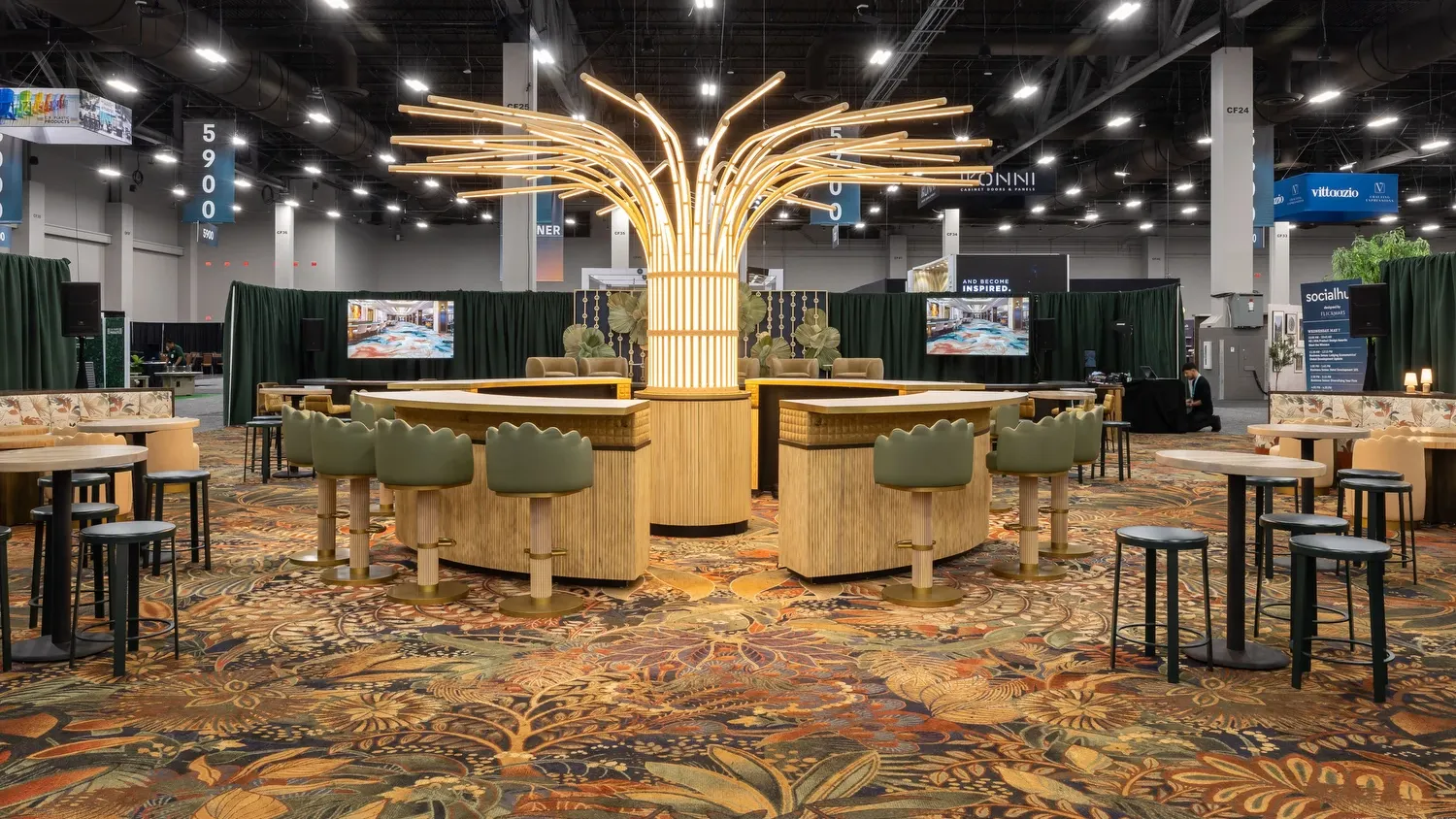
Convention Services production support
- Convention Services planned around audience flow, staffing, room turns, sponsor needs, and technical support.
- Booth, staging, graphics, AV, and labor decisions matched to how the event actually runs.
- A field plan that protects guest experience, team readiness, and post-event closeout.
- Support for the details that separate a smooth event from a rushed setup.
What drives the Pittsburgh calendar
Pittsburgh is a working trade show market.
Trade show weeks in Pittsburgh compress decisions.
Pittsburgh venues we support
the plan has to match the specific building.
Hilton Pittsburgh is one of the anchors.
The property offers ballroom, breakout, and pre-function space suited to convention support and standalone conference programming.
Embassy Suites by Hilton Pittsburgh Downtown. The hotel is located near the David L.
David L. Lawrence Convention Center: 1.5 million square feet of building size, 313,400 square feet of total exhibit space, 236,900 square feet of column-free exhibit space, 53 meeting rooms, and 77,952 square feet of meeting-room space.
Venue rules and show-floor coordination
Pittsburgh floor operations follow the venue's own manual.
Practical planning rules for the services in Pittsburgh: Pittsburgh labor expectations depend on the venue, the organizer, and the current event manual rather than on one blanket citywide rule. Major Pittsburgh venues may use designated providers for utilities, internet, rigging, food service, security, or other support service categories, so advance coordination is part of the job.
Where Pittsburgh shows cluster
David L. Lawrence Convention Center, Westin Pittsburgh, Omni William Penn Hotel, Wyndham Grand Pittsburgh Downtown form the Downtown Convention Core cluster.
Regional Hotel and Conference Support Ring runs across DoubleTree by Hilton Pittsburgh - Green Tree, DoubleTree by Hilton Pittsburgh Cranberry. Adds suburban breakout options for mid-size conferences, trainings, and overflow room blocks north and west of the city.
Scope on a convention services project
a bad one has many, because they weren't.
Out of scope by default are show organizer fees, booth lease costs paid directly to the show, staff travel and per diems, and any custom software or data-capture tooling the client runs on its own stack. Those stay on the client side and plug into the project through coordination, not rebilling.
How the project comes together
Everything downstream hinges on those answers.
Once scope is clear, the venue work begins.
The install phase has one owner on the floor.
Strike and closeout happen the same day.
What it costs and how fast it moves
Six variables drive the cost: custom versus rental, booth footprint and complexity, venue-specific labor and rigging fees, graphics scope and substrate, freight distance and timing, and the number of on-site supervision days.
A clean schedule starts 4 to 5 months out for custom work and 2 to 3 months for rentals. Shorter lead times are workable but push rush premiums and limit material choices.
What a successful project looks like
Most programs in Pittsburgh are evaluated on lead-capture volume, meetings booked on the floor, and qualified-pipeline attribution after the show. The booth is a means to those numbers — it is not the number itself.
Client teams sometimes want the booth to carry the pipeline on its own, but the best-performing programs treat the booth as a platform and put real operators on it. On-floor conversation discipline moves the KPIs more than any scenic decision.
How we're built to run your project
Local fabrication means real-time problem-solving. A graphic that needs to be reprinted at 6 a.m.
Consistency across show dates is the other reason to hire local. The same crew that built the booth runs the install, knows the pack-out, and catches the small things — a missing hardware pack, a graphic edge that needs reseating, a storage crate routed to the wrong bay — without needing the client team to intervene.
Frequently asked questions
Do you work at DoubleTree by Hilton Pittsburgh - Green Tree?
Yes.
How does labor work in Pittsburgh?
It runs venue by venue.
How much lead time is ideal?
Custom builds run best with 16 to 20 weeks of lead time. Rentals take 8 to 12 weeks.
What information kicks off a project?
The show, the venue, the booth number, the dates, and a target budget range. From those, an initial scope and a realistic cost come back within a few days.
Who runs the booth on-site?
One named show-site lead runs the install, the show hours, and the strike. That person carries the floor plan and the punch list from crates to doors and reports up once a day.
Can the booth travel to the next city on our calendar?
Same structure, swappable graphics, standard crates.
What happens if something breaks during show hours?
The on-site lead handles it.